
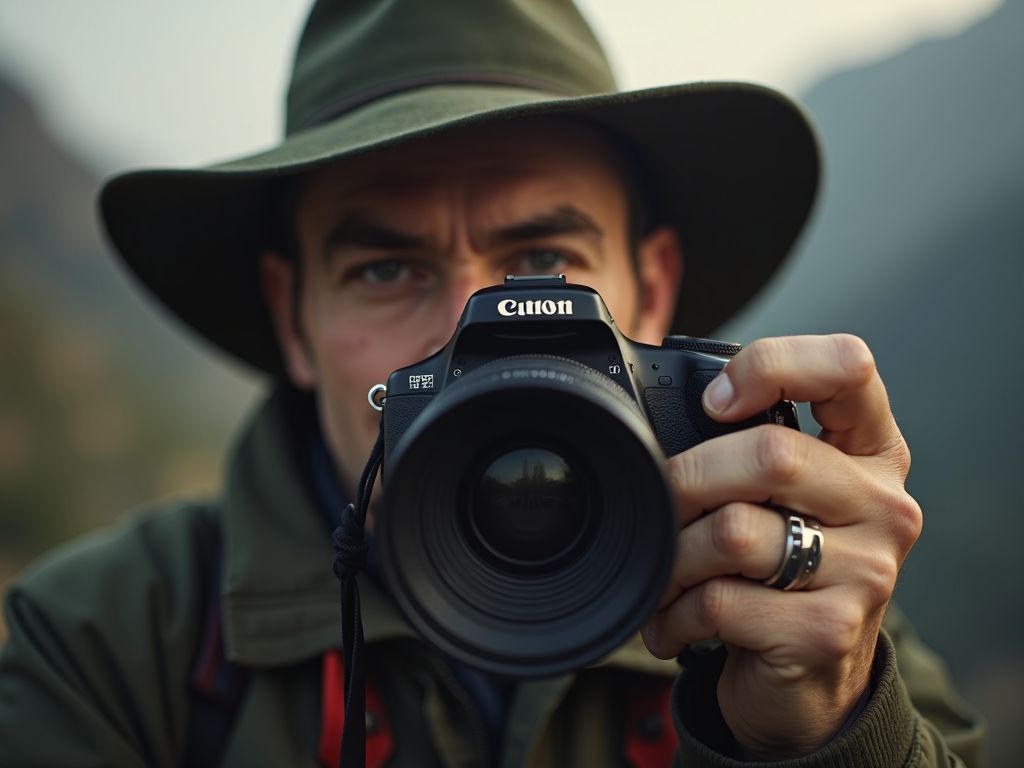
When most people think about photography, they picture cool locations, awesome portraits, or fancy cameras with big lenses. But what doesn’t usually come to mind is what happens when that camera falls off a table, gets stolen from a car, or ends up soaked in the rain. That’s where camera gear insurance comes in—and honestly, it’s something every photographer should know about.
Cameras Break. It’s a Real Thing.
Photography equipment is seriously expensive. A decent camera body alone can cost a fortune. Then add lenses, drones, lighting, and backup drives—before you know it, you’re carrying gear worth thousands. And here’s the thing: this gear is fragile. One small accident can mean a cracked lens, a dead camera, or even lost files.
Even super careful photographers drop things or deal with weather disasters. That’s why having a way to protect that gear makes such a huge difference. Without it, a single mistake could ruin an entire job and empty a bank account at the same time.
What Exactly Is Photography Insurance?
It might sound a little boring, but photography insurance is actually a lifesaver. It’s a type of coverage that protects your gear, your work, and sometimes even your reputation when things go wrong. It’s made specifically for photographers, not just anyone with a camera.
You might think regular home insurance is enough. It usually isn’t—especially if photography is used for work or side jobs. That’s why having proper photography insurance from a provider that understands the industry can be a game-changer. It can cover accidental damage, theft, loss, liability, and more, depending on the plan.
It’s Not Just About Stolen Cameras
A lot of people think insurance is only useful if someone steals their gear. And yes, that does happen. But it’s far from the only problem. Think about these:
- A light stand falls and smashes your lens.
- You spill coffee on your camera during editing.
- Your bag gets lost while flying to a shoot.
- A client trips over a cable and blames you.
- A memory card fails and ruins someone’s wedding photos.
All of these can lead to big costs, lawsuits, or both. Photography insurance helps with all that. It gives a backup plan when things fall apart—literally or financially.
What Does It Cost?
The cost depends on what needs covering. If there’s just one camera and a couple of lenses, it’s cheaper than if someone’s carrying five bags of gear and traveling around the world. Most basic plans are affordable—kind of like a phone bill each month—and can save a lot more in the long run.
There are flexible options, too. Some people only need coverage for gear. Others want liability protection in case a client sues. There are also plans for people who travel with their equipment. The more risk, the more coverage is probably needed.
Real-World Disasters (That Insurance Can Fix)
Imagine this: a photographer is at a beach shoot. The wind picks up, a stand tips, and the main camera hits the sand—hard. The lens cracks. The body won’t turn on.
With no insurance? It’s a total nightmare. That camera’s toast, and replacing it might take weeks. With insurance? The claim gets submitted, the replacement starts getting processed, and things move forward. Disaster becomes just a hiccup.
There are stories like this all the time—gear stolen at weddings, camera bags disappearing from cafes, or photos accidentally deleted. Insurance won’t stop bad things from happening, but it stops them from ruining everything.
Should Hobby Photographers Worry About This?
Honestly, yes. Even people who shoot for fun often carry gear worth hundreds or thousands of pounds. And accidents don’t care if someone’s a pro or a hobbyist. There are plans designed for non-professionals that still offer solid protection, just in case.
Also, many hobby photographers end up doing paid shoots at some point—whether it’s a family friend’s birthday or a small gig. Having insurance already in place makes it way easier to say yes without worrying about what could go wrong.
What to Look Out For
Not all insurance is created equal. Before picking a plan, it helps to check:
- Coverage area: Is the gear covered at home, on the road, or overseas?
- Item limits: Does every piece of gear need to be listed?
- Claim process: How fast can broken or stolen gear be replaced?
- Deductibles: Is there an amount that has to be paid first?
- Extras: Does it include liability or only equipment?
Understanding the details helps avoid nasty surprises later. Some providers make this easy by walking through the process and explaining what’s needed for each type of photographer.
How to Get Started Without the Stress
Getting insured isn’t hard at all. Most companies just need a list of the gear and how it’s used. From there, it’s just about picking the plan that fits best.
- Make a list of all the equipment.
- Note the current value of each item.
- Think about where and how the gear gets used.
- Choose a provider with experience covering photographers.
- Pick a plan and keep a digital copy of everything just in case.
Some people also take photos of their equipment and keep serial numbers saved. It makes claims easier and faster if something happens.
Why It’s More Than Just a Safety Net
Photography insurance isn’t just about avoiding big costs—it’s about confidence. Knowing that gear is protected makes it easier to take on bigger jobs, travel to new places, or try riskier shots without always being nervous.
Clients also notice when photographers are prepared. It shows professionalism, responsibility, and a serious approach to the job. In some industries, having insurance is even required to get hired for certain gigs.
What to Remember
Camera gear is expensive, fragile, and super important to photographers. Whether shooting weddings, sports, landscapes, or just for fun, having insurance means that when things go wrong—and they do—it doesn’t have to end in disaster.
Photography insurance makes it possible to recover faster, stay on track, and keep doing what photographers love most—capturing amazing moments. Whether someone’s just starting out or already working full-time, protecting their gear is one of the smartest things they can do.
Have a camera horror story or just got insured yourself? Talk about it—because the more photographers know, the better they can protect what matters.