
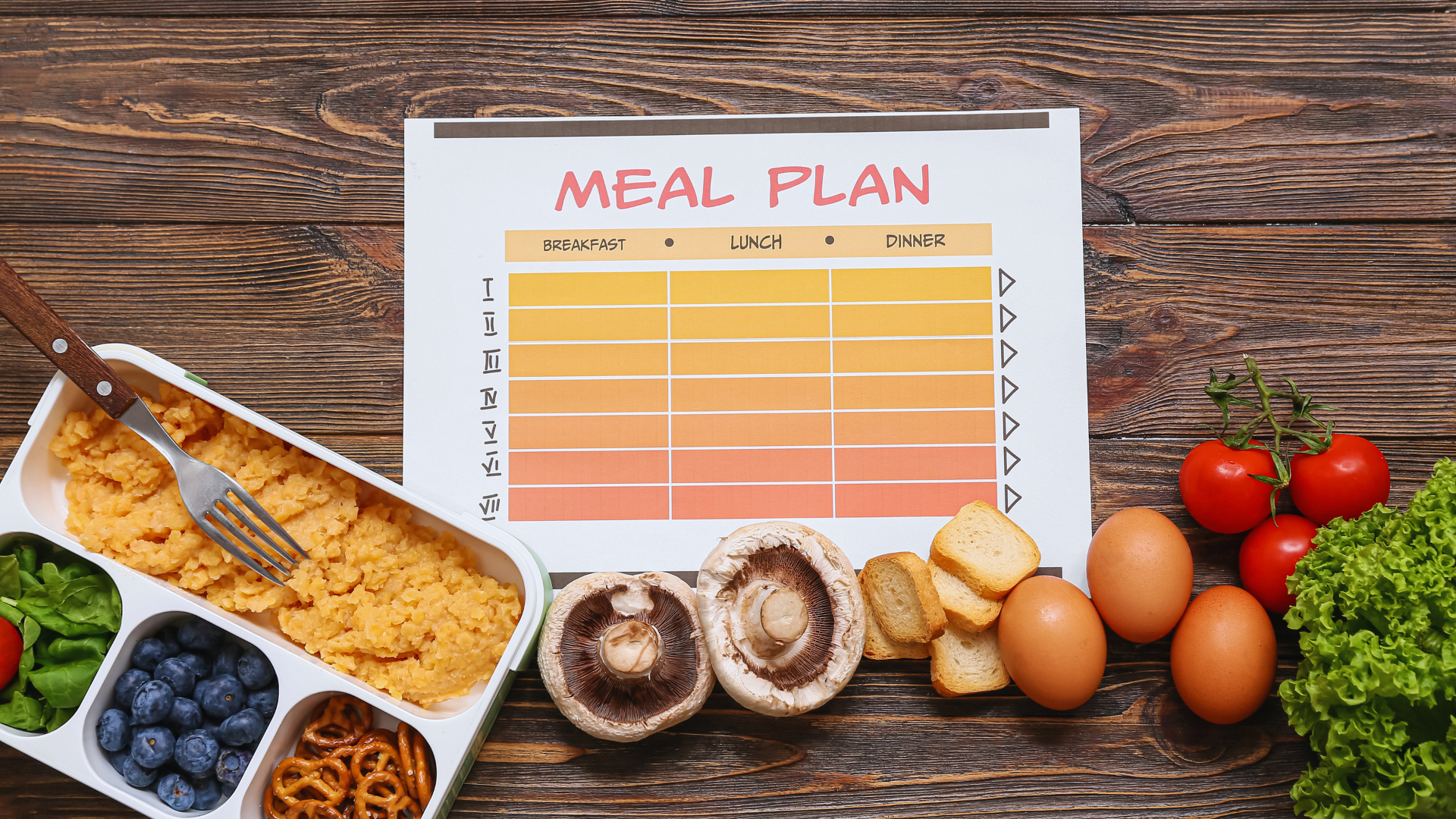
Meal prepping for a busy workweek involves planning, preparing, and portioning meals in advance to save time and reduce stress during the week. The key is to choose simple, nutritious recipes that can be cooked in bulk and stored safely for several days. This approach ensures consistent access to healthy meals without the need to cook daily.
By organising shopping lists and dedicating a specific time for meal prep, it becomes easier to avoid last-minute unhealthy choices. Using quality containers and portion control helps maintain freshness and supports balanced eating throughout the week.
Sticking to a meal prep routine can improve productivity and make healthy eating more manageable, even on the busiest days. This article will guide readers through practical steps to start meal prepping effectively.
Planning Your Meal Prep Strategy
Effective meal prepping requires clear organisation and focused steps. Prioritising specific time blocks, planning meals around nutritional needs, and maintaining variety can improve healthy eating and save time during busy weekdays.
Setting Aside Prep Time
Allocating a dedicated time slot each week is critical for successful meal prepping. Most people find 1-2 hours on a weekend day works well to prepare multiple meals at once. This focused session reduces daily cooking stress and ensures meals are ready to grab or reheat.
Using a timer helps keep the prep efficient. Tasks like washing, chopping, cooking, and packing should be done in batches to save effort. Staying consistent with this schedule builds a routine that supports ongoing healthy eating habits.
Creating a Weekly Meal Plan
Planning meals ahead with a written meal plan guides grocery shopping and cooking focus. Selecting recipes that share common ingredients reduces waste and streamlines preparation.
A typical plan might include proteins, vegetables, and grains distributed evenly across meals. She can use meal planning apps or simple tables listing each day, meal type, and ingredients. Including snacks keeps energy levels steady throughout the workday.
Considering leftovers in the plan saves further cooking time midweek. Adjust meal sizes to fit individual caloric and nutritional requirements for sustained healthy meals.
Choosing Balanced Meals
Balanced meals combine macronutrients and micronutrients for sustained energy and wellness. Each meal should ideally have a source of protein, fibre-rich carbohydrates, and healthy fats.
Vegetables and whole grains add essential vitamins and minerals. Choosing lean proteins like chicken, fish, tofu, or legumes supports muscle maintenance without excess fat. Incorporating healthy fats from nuts, seeds, or olive oil improves nutrient absorption.
Portion control also matters. Using smaller containers helps manage serving sizes and prevents overeating. This balance promotes consistent, healthy eating throughout the workweek.
Smart Grocery Shopping and Batch Cooking
Planning meals ahead starts with intentional shopping and efficient cooking methods. Prioritising staple ingredients and utilising batch cooking saves time during busy weekdays and supports balanced nutrition.
Efficient Grocery Shopping Tips
He should prepare a detailed list based on planned meals to avoid impulse buys. Grouping items by store section—produce, meats, dairy—reduces time spent wandering aisles.
Shopping during off-peak hours ensures faster checkout and less crowd stress. Buying lean protein like chicken breast or tofu in bulk offers cost savings and consistent meal components. Fresh vegetables and healthy fats such as avocados and nuts should be prioritised for nutrient density.
Use reusable meal prep containers to portion groceries into ready-to-cook servings, improving storage and reducing waste. Checking weekly supermarket deals for staples encourages budget management while maintaining quality ingredients.
Batch Cooking Techniques
Batch cooking involves preparing large amounts of food at once and dividing it for multiple meals. It demands multitasking skills, like roasting vegetables while simmering grains, to maximise kitchen efficiency.
Using slow cookers or pressure cookers accelerates cooking times and maintains nutrition. Foods that reheat well, such as soups, stews, or casseroles, are ideal choices for batch cooking.
Separating components (protein, carbs, vegetables) instead of mixed dishes allows variety and flexibility. The cooked food should be cooled quickly and stored in airtight meal prep containers to preserve freshness throughout the week.
Selecting Ingredients for Versatility
Choosing versatile ingredients streamlines meal prep. For example, brown rice can pair with grilled lean protein or be mixed with stir-fried vegetables across several dishes.
Vegetables like bell peppers, spinach, and carrots are adaptable in salads, wraps, or roasted sides. Healthy fats, such as olive oil or nut butters, integrate into dressings, cooking, and snacks, enhancing flavour and nutrition.
He should focus on ingredients that can be cooked or combined in various ways without spoilage, optimising both taste and variety during a busy week.
Meal Prep Ideas and Recipes for the Workweek
Effective meal prep combines simplicity with varied nutrition to keep meals interesting and balanced throughout the busy workweek. A mix of quick recipes, protein-focused options, and flexible ideas can help maintain energy and save time.
Quick and Healthy Meal Prep Recipes
Quick meal prep recipes focus on minimal ingredients and fast cooking methods, such as Instant Pot meals or one-pan dishes. For example, roasted vegetable quinoa bowls require chopping veggies and cooking quinoa simultaneously for a nutrient-dense lunch in under 30 minutes.
Mason jar salads are another efficient option. Layer leafy greens, proteins like grilled chicken, and crunchy toppings, adding dressing at the bottom for freshness. Overnight oats with fruit and nuts serve as a grab-and-go breakfast that needs no morning prep.
High-Protein and Low-Carb Options
For those prioritising high-protein and low-carb meals, grilled salmon with steamed broccoli and cauliflower rice offers essential fatty acids and fibre without excess carbohydrates. Chicken breast paired with a spinach salad and avocado provides lean protein and healthy fats to maintain fullness.
Egg muffins baked with vegetables and cheese are portable breakfast options rich in protein. Protein-packed smoothies using Greek yoghurt, spinach, and protein powder can also be prepped ahead and taken to work.
Breakfast, Lunch, and Snack Suggestions
Breakfast can revolve around overnight oats or chia pudding, both prepared the night before. Adding berries, seeds, and a dollop of nut butter increases nutritional value and taste.
For lunch, mason jar salads remain versatile, with bases like kale or romaine, protein sources such as beans, eggs, or grilled meats, and dressings stored separately. Snacks can include pre-portioned nuts, carrot sticks with hummus, or boiled eggs.
Mix-and-Match Meal Prep Ideas
Creating mix-and-match meals allows more variety and prevents monotony. Prepare base ingredients like grilled chicken, roasted vegetables, and cooked grains separately. Combine them in different ways throughout the week.
For example, grilled chicken with quinoa and steamed greens one day, then the same chicken with a salad and sweet potato another. This approach reduces waste, saves prep time, and keeps meals nutritionally balanced.
Storing and Packing Your Prepared Meals
Effective storage and packing are crucial for maintaining the quality and safety of prepared meals throughout the week. Choosing the right containers, following proper refrigeration or freezing methods, and handling food safely prevent spoilage and save time during busy days.
Recommended Meal Prep Containers
Meal prep containers should be airtight, durable, and suitable for reheating. Glass containers with snap-on lids are preferred for maintaining freshness and avoiding chemicals found in some plastics. BPA-free plastic containers can be used, but should be microwave-safe if reheating is planned.
Containers with multiple compartments are useful for separating ingredients, preventing sogginess and mixing. Choose container sizes based on portion control to support healthy recipes and reduce food waste.
Clear containers help easily identify meals without opening lids. Stackable designs save fridge or freezer space and facilitate organised meal storage.
Refrigeration and Freezing Tips
Prepared meals typically last 3 to 4 days in the refrigerator when stored properly. Meals containing dairy, seafood, or cooked rice should be consumed earlier to avoid foodborne risks.
Freeze meals intended for later in the week to extend shelf life up to three months. Label containers with the date of preparation to track freshness. Thaw frozen meals in the refrigerator overnight instead of leaving them at room temperature.
Refrigerate meals within two hours of cooking to slow bacterial growth. Store containers on middle shelves where the temperature is most consistent, avoiding door storage, which experiences fluctuations.
Keeping Meals Fresh and Safe
Ensure meals cool down to room temperature before sealing containers to avoid condensation inside. If using plastic wrap or foil, cover food tightly to reduce oxygen exposure and moisture loss.
Keep raw and cooked foods separate during preparation and storage to prevent cross-contamination. Washing hands and surfaces thoroughly further reduces risks.
When reheating, meals should reach an internal temperature of 75°C (167°F). Stir the food during microwaving for even heating. Discard any meal left at room temperature for over two hours or showing signs of spoilage, like off smells or mould.